Media & culture Highly Kosher Professionals Q&A
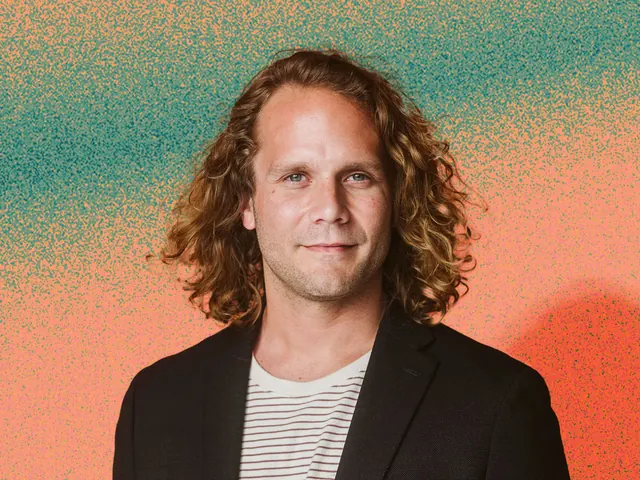
David Bienenstock
David Bienenstock is a producer on the new Hulu original documentary series "4x20 Quick Hits" (from Executive Producer Jimmy Kimmel) and co-creator of the series "Bong Appétit." He's the author of How to Smoke Pot (Properly): A Highbrow Guide to Getting High (from Penguin / Random House) and creator / host of the popular podcast "Great Moments in Weed History."
Previously, he served as Head of Content at HIGH TIMES and was a columnist and frequent contributor at VICE, where he created viral videos like "A Gourmet Weed Dinner at Hunter S. Thompson's House" and "Marijuana Nonna."
He has been profiled by The New Yorker, Vanity Fair, The Los Angeles Times, Rolling Stone, LA Weekly, Slate, and elsewhere, while making frequent media appearances, including on CNN, NPR, MSNBC, HBO and Fox News.
SPECIAL NOTE: 'THE HISTORY OF WEED' LIVE IN NYC
David Bienenstock will perform his new live show The History of Weed on October 19th in NYC, as the official kick off event for Hall of Flowers Week. Individual tickets are available through the venue (use promo code "weed" for $5 off). Sponsorship packages and reserved tables are also available, contact david.bienesntock@gmail.com for more information.
JIW What were the most useful topics you studied while at Syracuse? What courses did you take that grew your understanding of writing and journalism?
David To be honest, my informal study of cannabis in dorm rooms (with a towel under the door) and a cemetery bordering campus gave me the most direct information and inspiration to pursue a career in cannabis journalism. Of course, I graduated at a time when prohibition was still in full force almost everywhere, with the first medical cannabis laws just taking root. So there wasn't much discussion of cannabis in my classes, other than an incredibly illuminating section on drugs and society in one of my sociology classes.
As far as my broader studies goes, I'd really credit my classes in creative writing, journalism and especially history. By applying those disciplines to my understanding of cannabis as a social, political and cultural movement, I began to see weed as not just something I enjoy and benefit from medicinally, but a cause worth fighting for, particularly given the racial disparities of the War on Drugs and the associated rise of the surveillance state and the prison-industrial-complex.
JIW While writing with High Times, what were the most impactful stories that you had the pleasure of covering? Why were those stories so important on the grand scale?
David The most impactful stories were actually not pleasurable, as I often wrote about the worst abuses of the War on Marijuana, trying to give voice to people who were subjected to unconscionable prison sentences, had their homes raided, their children held at gunpoint, etc. Statistics and policy arguments definitely matter, but I personally believe that telling these stories of systemic injustice through a personal lense moves people to change their views and act.
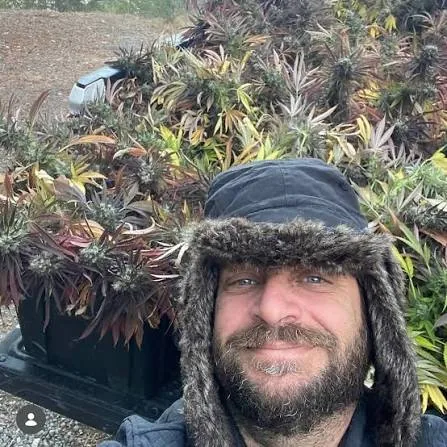
On the flip side, some of the most fun stories were spending a few days on the set of the Trailer Park Boys (and acting in a scene), traveling to Amsterdam for the annual Cannabis Cup back when that was the only legal haven on Earth, and getting a guided harvest tour of the Emerald Triangle from Northern California's legendary outlaw weed growers.
JIW What inspired you to create the Great Moments in Weed History podcast? What did you hope to accomplish with this podcast that other cannabis-related podcasts weren’t necessarily doing?
David Along with my original co-host Abdullah Saeed, I wanted to share all of the incredible weed history stories that prohibitionists and propagandists have erased or obscured. So many people in the cannabis community have been stigmatized and criminalized over this plant, and sharing the "great moments" of activism, culture, and community helps them understand themselves as part of something larger. Collectively, we've been successfully pushing back against the most powerful forces in society—the criminal justice system, the medical establishment, the media, etc—in defense of an incredibly medicinal and life-affirming plant. That history should be recovered, shared and celebrated.
Also, from the time Willie Nelson smoked a joint on the roof of the White House to the ancient hashish hotboxes of antiquity to the behind the scenes story of the movie Ganjasaurus Rex, there's endless mind-blowing stories to tell about this plant, and even most "stoners" don't know them. That's why the show is still going strong eight years later!
JIW What were some of the most important episodes that you recorded? What moments in history were discussed and why were those moments so crucial towards the future of cannabis history?
David I personally love stories about the spiritual use of cannabis, including Shiva in Hinduism, Magu in the Chinese taoist tradition, Jesus and the holy anointing oil in the Old Testament, Rastafari beliefs about ganja etc. Those stories totally reframe the entire history of this plant, by going thousands of years back from the first prohibition.
But based on feedback from podcast listeners, probably the most impactful stories are about first-wave medical cannabis activists who risked their freedom to share this plant with those in need. Particularly during the HIV/AIDs crisis, including Denis Peron, Brownie Mary, WAMM, and New York City's own Pope of Pot Mickey Cesar.
That's especially true for cannabis people coming of age in the legalization era. It's vitally important to know that these laws didn't change because the authorities suddenly came to their senses, it took a lot of sustained civil disobedience and grassroots political organizing, and even people going to prison to undue all of the propaganda that propped up the government's racist and dehumanizing system of prohibition.
JIW What do you envision will be the most important moments for cannabis reform and history in the future? Beyond just the federal rescheduling, what are some notable ways that cannabis history will continue to be made in the future?
David I look forward to the day when the conversation around cannabis can fully shift from "harms" to "benefits." That's not to say cannabis is without harms, some people definitely struggle with dependency. But the relative harms of cannabis compared to alcohol, opiods, and refined sugar (as three common examples) make this constant framing around harms a tremendous disservice and distraction.
Even our discussions about the harms of prohibition fall into this category. But someday, I believe, we will reach a point where the prevailing narrative will shift to benefits, and how best to fully integrate this unbelievably beneficial plant into society as a medicine, a social elixir, a spiritual sacrament, a creative tool and a source of food, fuel and fiber.
Along with that, we need to begin a larger exploration of what's obviously deeply wrong with a society that wages a 100 year war against an incredibly beneficial plant. Because that did not happen in a vacuum.